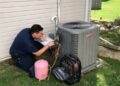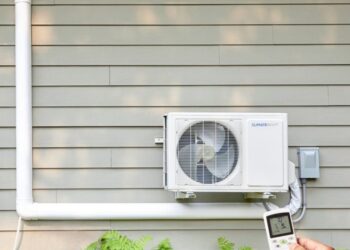
Delve into the world of air conditioner replacement projects and uncover the hidden costs that often go unnoticed. From unexpected charges to long-term implications, this topic sheds light on the true expenses involved, offering a fresh perspective on a commonly overlooked aspect of home maintenance.
As we explore the factors influencing costs, hidden fees that can catch homeowners off guard, and the impact of energy efficiency on long-term savings, you'll gain valuable insights to navigate your next air conditioner replacement project with confidence.
Factors Affecting Air Conditioner Replacement Costs
When it comes to replacing an air conditioner, several factors can influence the overall cost. Understanding these factors is crucial in budgeting for this project effectively.
Size of the Unit
The size of the air conditioner unit plays a significant role in determining the replacement cost. Larger units typically cost more than smaller ones due to the increased materials and labor required for installation.
Energy Efficiency Ratings
Air conditioners with higher energy efficiency ratings, such as SEER (Seasonal Energy Efficiency Ratio), tend to be pricier upfront but can result in long-term cost savings through reduced energy bills. Opting for a more efficient unit may increase the initial cost but can pay off in the long run.
Installation Requirements
The complexity of the installation process can also impact the total replacement cost. Factors such as ductwork modifications, electrical upgrades, and additional components like thermostats or zoning systems can add to the overall expenses.
Location and Labor Costs
The location of your property and local labor costs can influence the cost of replacing an air conditioner. Higher labor costs in urban areas or regions with a higher cost of living can contribute to a more expensive replacement project.
Additional Upgrades
Opting for additional upgrades, such as smart thermostats, air purifiers, or programmable zoning systems, can increase the overall cost of replacing an air conditioner. While these upgrades can enhance comfort and energy efficiency, they come with an additional price tag.
Hidden Fees and Charges
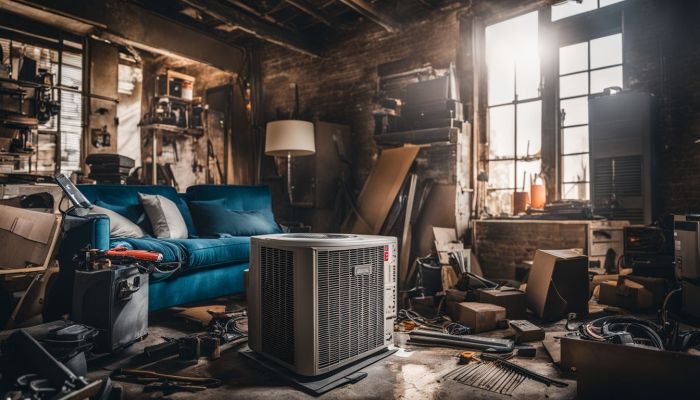
When embarking on an air conditioner replacement project, homeowners may encounter hidden fees and charges that can significantly impact the total cost. These additional costs can catch homeowners off guard and lead to budget overruns if not properly accounted for in the initial planning stage.
Disposal Fees
Disposal fees are often overlooked but can add up quickly during an air conditioner replacement project. HVAC companies may charge a fee to properly dispose of the old unit, which involves handling refrigerants and other hazardous materials in compliance with environmental regulations.
Permit Costs
Obtaining permits for air conditioner replacement projects is a common requirement in many areas. Homeowners may need to pay for permit fees, which can vary depending on the location and scope of the project. Failure to obtain the necessary permits can result in fines and delays, adding to the overall cost.
Unexpected Repairs
During the installation process, unexpected repairs or modifications may be needed to ensure the new air conditioner functions properly. These additional repairs, such as fixing ductwork issues or replacing electrical components, can lead to extra charges that were not included in the initial estimate.
Impact of Energy Efficiency on Long-Term Costs
When it comes to air conditioners, the energy efficiency of a unit can have a significant impact on long-term costs for homeowners. Investing in a more energy-efficient air conditioner can lead to substantial savings in utility bills and reduced maintenance expenses over time.
Benefits of Energy Efficiency
- Energy-saving features such as programmable thermostats can help homeowners regulate the temperature more effectively, reducing the workload on the air conditioner and lowering energy consumption.
- Higher SEER (Seasonal Energy Efficiency Ratio) ratings in air conditioners indicate better energy efficiency, resulting in lower electricity bills for homeowners.
- Proper insulation and sealing in the home can work in conjunction with an energy-efficient air conditioner to maintain a comfortable indoor temperature without excessive energy usage.
Financing Options and Considerations
When it comes to financing air conditioner replacement projects, homeowners have several options to choose from
Loans
- Loans are a common way to finance air conditioner replacements, allowing homeowners to borrow a specific amount of money that must be paid back with interest over time.
- Pros:
- Fixed interest rates provide predictability in monthly payments.
- May offer longer repayment terms for more flexibility.
- Cons:
- Eligibility requirements may be strict, especially for lower interest rates.
- Interest rates can vary based on credit score and lender.
Credit Cards
- Using a credit card to finance an air conditioner replacement project allows homeowners to pay for the expense over time, with the option to pay off the balance in full or make monthly payments.
- Pros:
- Convenience and immediate access to funds.
- Rewards or cashback benefits may apply to credit card purchases.
- Cons:
- Higher interest rates compared to loans.
- Potentially lower credit limits may restrict the amount that can be financed.
Manufacturer Rebates
- Some air conditioner manufacturers offer rebates or incentives to homeowners who purchase their products, providing a financial benefit for choosing their brand.
- Pros:
- Immediate savings on the purchase price of the air conditioner.
- May be combined with other financing options for additional savings.
- Cons:
- Rebate amounts and eligibility criteria can vary by manufacturer.
- May require upfront payment with reimbursement after installation.
Outcome Summary
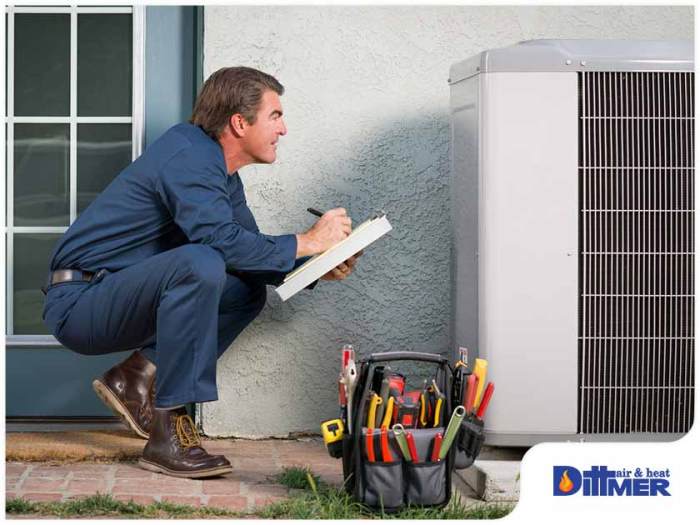
In conclusion, understanding the hidden costs of air conditioner replacement projects is crucial for making informed decisions and avoiding financial surprises. By being aware of what to expect and how to navigate through potential pitfalls, you can ensure a smooth and cost-effective upgrade for your home cooling system.
Questions Often Asked
What are some common hidden fees during an air conditioner replacement project?
Examples of hidden fees include disposal fees, permit costs, and unexpected repairs that can significantly increase the total project cost.
How does energy efficiency impact long-term costs of a new air conditioner?
Investing in a more energy-efficient unit can lead to lower utility bills and reduced maintenance expenses over time, resulting in long-term cost savings.
What financing options are available for homeowners for air conditioner replacement projects?
Homeowners can choose from financing options such as loans, credit cards, or manufacturer rebates, each with its pros and cons based on factors like interest rates and eligibility requirements.