Exploring the realm of reducing electricity bills through AC tune-ups, readers are invited to delve into a world of insights and practical tips. This article aims to shed light on the correlation between AC maintenance and energy savings, offering a comprehensive guide for cost-effective cooling solutions.
Benefits of an AC Tune-Up
Regular maintenance of your AC system can significantly improve its energy efficiency, leading to lower electricity bills in the long run. By ensuring that your air conditioner is running smoothly and effectively, you can avoid unnecessary energy waste and reduce your overall energy consumption.
Specific Tasks Included in an AC Tune-Up
- Checking and cleaning the air filters: Dirty filters can obstruct airflow and cause the system to work harder, increasing energy consumption.
- Inspecting and cleaning the condenser coils: Dust and debris can accumulate on the coils, reducing the system's ability to transfer heat efficiently.
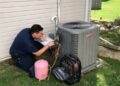
- Examining the refrigerant levels: Proper refrigerant levels are essential for the AC unit to operate effectively and efficiently.
- Tightening electrical connections: Loose connections can lead to system inefficiencies and higher energy usage.
- Calibrating the thermostat: Ensuring that the thermostat is accurately set can prevent unnecessary cooling cycles and save energy.
Well-Maintained AC System and Lower Electricity Bills
A well-maintained AC system operates more efficiently, using less energy to cool your home effectively. By addressing issues such as clogged filters, dirty coils, or low refrigerant levels through regular tune-ups, you can ensure that your air conditioner runs optimally, resulting in lower electricity bills and reduced energy costs over time.
Importance of Clean Filters
Regularly cleaning or replacing the filters in your AC unit is crucial for maintaining its efficiency and lowering your electricity bills. When filters are dirty, it restricts airflow, making your AC work harder to cool your home. This not only puts unnecessary strain on the system but also leads to increased energy consumption.
Impact of Dirty Filters on AC Efficiency
- Dirty filters block airflow, causing the AC to strain and work harder.
- This results in reduced cooling efficiency and higher energy consumption.
- Over time, the system may even break down due to the added stress.
Tips on Cleaning or Replacing Filters
- Check filters monthly and clean or replace them as needed.
- Disposable filters should be replaced every 1-3 months, while reusable filters should be cleaned regularly.
- Consider upgrading to high-efficiency filters for better performance and air quality.
How Clean Filters Can Reduce Energy Consumption
- Clean filters allow for proper airflow, improving the AC's efficiency.
- This results in reduced energy consumption and lower electricity bills.
- Regular maintenance of filters also prolongs the lifespan of your AC unit.
Checking Refrigerant Levels
Checking refrigerant levels in your AC unit is crucial for maintaining optimal performance and energy efficiency. Refrigerant is the substance responsible for cooling the air that is circulated throughout your home, so ensuring the correct levels are present is essential.
The Process of Checking and Refilling Refrigerant
- First, a trained technician will inspect the refrigerant lines and connections for any leaks or damage.
- If any issues are found, they will repair them before proceeding.
- The technician will then measure the current refrigerant levels using specialized equipment.
- If the levels are low, they will carefully add the appropriate amount of refrigerant to reach the optimal level.
- Finally, the system will be tested to ensure it is functioning correctly with the new refrigerant.
Energy Savings with Proper Refrigerant Levels
Maintaining the correct refrigerant levels in your AC unit can lead to significant energy savings. When the refrigerant levels are too low, the system has to work harder to cool the air, resulting in higher energy consumption. By ensuring the levels are correct, the AC unit can operate efficiently and effectively, ultimately lowering your electricity bill.
Inspecting Ductwork
When it comes to the efficiency of your air conditioning system, the condition of the ductwork plays a crucial role. The ductwork is responsible for distributing the cooled air throughout your home, and any issues with it can lead to energy wastage and reduced cooling performance.
Common Ductwork Issues
- Poor insulation: Improperly insulated ducts can lead to loss of cooled air, causing your AC system to work harder to maintain the desired temperature.
- Leaky ducts: Holes or gaps in the ductwork can result in air leaks, reducing the efficiency of the system and increasing energy consumption.
- Blocked air vents: Obstructed air vents can disrupt the airflow, making it harder for the system to cool your home effectively.
Impact on Energy Consumption
Addressing ductwork issues can improve the efficiency of your air conditioning system, reducing the energy it consumes to cool your home.
Inspecting the ductwork as part of a tune-up allows HVAC professionals to identify and address any issues that may be impacting the system's performance. By ensuring that the ductwork is properly sealed, insulated, and free from obstructions, you can maximize the cooling efficiency of your AC system and lower your electricity bill in the process.
Optimizing Thermostat Settings
Setting your thermostat correctly is crucial for maximizing energy efficiency and reducing electricity bills. By adjusting the temperature settings based on your daily routine, you can ensure your AC system operates efficiently without unnecessary energy consumption.
Optimal Temperature Settings
- During the summer months, it is recommended to set your thermostat to 78°F when you are at home and increasing the temperature by a few degrees when you are away. This helps maintain a comfortable indoor environment while minimizing energy usage.
- At night, consider setting the thermostat to a slightly higher temperature, as your body naturally cools down during sleep. This adjustment can lead to significant energy savings over time.
- Investing in a programmable thermostat allows you to schedule temperature changes throughout the day, ensuring your AC system runs efficiently when needed and reduces energy waste when no one is home.
Lowering Electricity Bills
Adjusting your thermostat settings can have a direct impact on lowering your electricity bills. By setting the temperature higher when you are away or asleep, you can reduce the workload on your AC system and decrease energy consumption. Consistent optimization of thermostat settings based on your daily activities can lead to long-term savings on your utility bills.
Ultimate Conclusion
In conclusion, the path to lower electricity bills intertwines with the proactive approach of AC tune-ups. By embracing regular maintenance, one not only ensures optimal performance but also paves the way for a more energy-efficient and budget-friendly cooling experience.
Questions and Answers
How often should I schedule an AC tune-up?
It is recommended to schedule an AC tune-up at least once a year to maintain peak performance and efficiency.
Can I clean or replace AC filters on my own?
Yes, cleaning or replacing AC filters is a simple task that can be done by homeowners. Just make sure to follow manufacturer guidelines.
What are the signs that indicate low refrigerant levels in an AC unit?
Signs include reduced cooling capacity, ice buildup on the evaporator coils, and strange hissing noises coming from the unit.
Why is ductwork inspection crucial for energy savings?
Inspecting ductwork ensures that there are no leaks or blockages, allowing cool air to flow efficiently and reducing the workload on the AC system.