Exploring the signs that indicate the need for an air conditioner replacement opens the door to a world of insights and practical advice. From strange noises to weak airflow, each sign tells a story of a system in need of an upgrade.
Let's delve into the key indicators and understand when it's time to say goodbye to your old AC unit.
Signs of Air Conditioner Replacement
When it comes to your air conditioner, there are several key signs that indicate it's time for a replacement. Ignoring these signs can lead to more significant issues down the line, so it's essential to be aware of them.
Strange Noises
If your air conditioner is making strange noises such as banging, clanking, or grinding, it could be a sign that there are internal components failing. These noises can indicate serious problems that may not be cost-effective to repair.
Weak Airflow
If you notice that the airflow coming from your air conditioner is weak or inconsistent, it could be a sign of a failing compressor or ductwork issues. Poor airflow can lead to uneven cooling and higher energy bills.
Frequent Breakdowns
If your air conditioner is breaking down frequently and requiring multiple repairs, it may be more cost-effective to replace the unit altogether. Constant repairs can add up quickly, making a new air conditioner a better long-term investment.
Visual Cues
Visual cues such as rust, leaks, or excessive dust around your air conditioner can indicate that it's reaching the end of its lifespan. Rust can signify corrosion of internal components, leaks can point to refrigerant issues, and excessive dust can impede airflow and efficiency.
Age of the Air Conditioner
When it comes to the efficiency and performance of an air conditioner, age plays a significant role. As air conditioners get older, they tend to lose efficiency, leading to increased energy consumption and reduced cooling capacity.
Average Lifespan and Replacement Timing
Most air conditioners have an average lifespan of about 10-15 years. However, this can vary depending on usage, maintenance, and environmental factors. It is generally recommended to start considering a replacement once your air conditioner reaches the 10-year mark, especially if you start noticing a decline in performance or frequent breakdowns.
Energy Efficiency of Newer Models
Newer air conditioner models are designed to be more energy-efficient compared to older units. They come with advanced features such as variable-speed compressors, smart thermostats, and improved insulation, all contributing to lower energy consumption and reduced utility bills. Upgrading to a newer model can not only provide better cooling performance but also help save on energy costs in the long run.
Cost Considerations
When considering whether it's time to replace your air conditioner, cost is a significant factor to take into account. The decision between repairing an old unit or investing in a new one can have financial implications that impact your budget in the long run.
Repair Costs vs. Replacement Costs
- Repair Costs: Continuously repairing an old air conditioner can add up over time, especially if the unit requires frequent maintenance. These costs can become unpredictable and may not guarantee the optimal performance of the system.
- Replacement Costs: While investing in a new air conditioner may seem like a significant upfront expense, it can actually save you money in the long term. Newer models are more energy-efficient and require fewer repairs, leading to lower utility bills and maintenance expenses.
Cost-Benefit Analysis
- Energy Efficiency: New air conditioners are designed to be more energy-efficient, which can result in lower monthly utility bills. Over time, the savings on energy costs can offset the initial investment of purchasing a new unit.
- Warranty and Maintenance: New air conditioners typically come with warranties that cover repairs and parts for a specified period. This can save you money on potential repairs that may arise in the future, providing peace of mind and financial security.
Environmental Impact
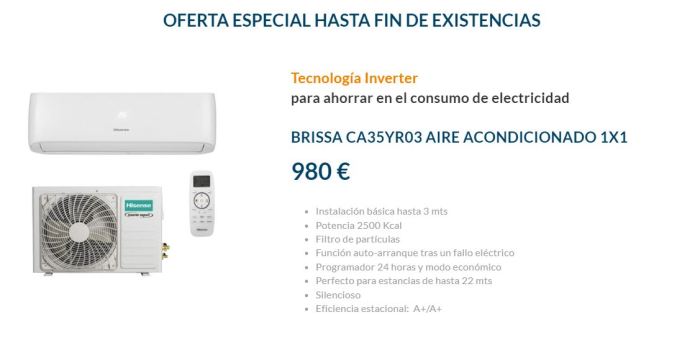
Replacing an old air conditioner with a newer, more energy-efficient model can have significant environmental benefits. Newer air conditioners with higher SEER (Seasonal Energy Efficiency Ratio) ratings are designed to consume less energy, resulting in lower carbon emissions. By reducing energy consumption, these models help minimize the environmental impact associated with air conditioning systems.
Eco-Friendly Refrigerants
Modern air conditioners often use eco-friendly refrigerants such as R-410A (Puron) or R-32, which have a lower impact on the ozone layer compared to older refrigerants like R-22. These newer refrigerants are designed to be more energy-efficient and environmentally friendly, contributing to a reduction in greenhouse gas emissions.
Making the switch to air conditioners that use eco-friendly refrigerants can help protect the environment and promote sustainability in cooling technology.
Final Thoughts
As we conclude our discussion on signs for an air conditioner replacement, remember that staying alert to these signals can save you time, money, and discomfort in the long run. By recognizing the signs early and making informed decisions, you can ensure your home stays cool and comfortable throughout the year.
Commonly Asked Questions
How can I tell if my air conditioner needs to be replaced?
If your AC is making strange noises, has weak airflow, or experiences frequent breakdowns, it might be time for a replacement.
What is the average lifespan of an air conditioner?
On average, air conditioners last around 10-15 years. If yours is approaching this age, it's worth considering a replacement.
Is it more cost-effective to repair or replace my old air conditioner?
While repairs can be a short-term solution, investing in a new, energy-efficient unit can lead to long-term savings on energy bills and maintenance costs.
How does replacing an old air conditioner benefit the environment?
Newer models with higher SEER ratings consume less energy, reducing carbon emissions. Additionally, eco-friendly refrigerants used in modern units have a positive impact on the environment.