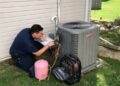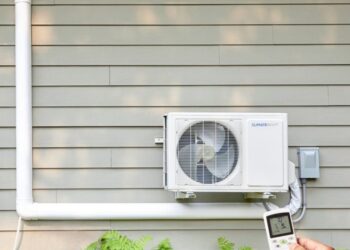
Delve into the world of annual air conditioner tune-ups and uncover the compelling reasons behind why skipping them should never be an option. From enhancing efficiency to preventing costly issues, this topic sheds light on the importance of regular maintenance.
The Importance of Annual Air Conditioner Tune-Up
Regular maintenance for air conditioners is crucial for ensuring optimal performance and longevity of the unit. By scheduling an annual tune-up, homeowners can benefit in various ways.
Improved Efficiency and Extended Lifespan
- Regular tune-ups can help keep the air conditioner running efficiently, reducing energy consumption and lowering utility bills.
- Proper maintenance can also extend the lifespan of the unit, saving homeowners from costly repairs or premature replacement.
- Well-maintained air conditioners are less likely to break down during peak usage times, providing consistent comfort throughout the year.
Prevention of Potential Issues
- During a tune-up, HVAC technicians can identify and address minor issues before they escalate into major problems.
- Cleaning and servicing the components of the air conditioner can prevent clogs, leaks, or malfunctions that can compromise performance.
- Regular inspections can detect refrigerant leaks, faulty wiring, or worn-out parts, ensuring safe operation of the unit.
What Happens During an Annual Air Conditioner Tune-Up
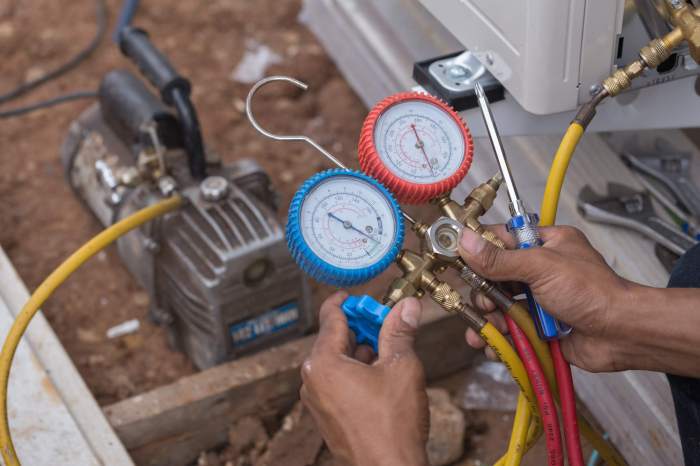
During an annual air conditioner tune-up, a trained technician performs a series of tasks to ensure your AC unit is running smoothly and efficiently. This proactive maintenance helps prevent breakdowns, improves energy efficiency, and extends the lifespan of your system.
Typical Steps in a Professional Tune-Up Service
- Inspecting and cleaning the air filters: Dirty filters can restrict airflow and reduce efficiency. Cleaning or replacing them ensures optimal performance.
- Checking and cleaning the coils: Dirty evaporator and condenser coils can impact the cooling process. Cleaning them helps maintain proper heat transfer.
- Examining refrigerant levels: Insufficient or leaking refrigerant can lead to poor cooling and damage to the compressor. Adjustments are made if needed.
- Lubricating moving parts: Proper lubrication reduces friction, which can extend the life of components like the blower motor.
- Tightening electrical connections: Loose connections can be a fire hazard and cause system failures. Securing them ensures safe operation.
- Inspecting the thermostat: Calibrating the thermostat ensures accurate temperature control and efficient operation.
Importance of Cleaning Filters, Coils, and Checking Refrigerant Levels
Regularly cleaning the filters and coils is crucial for maintaining airflow and heat transfer efficiency. Clogged filters and dirty coils can reduce cooling capacity and increase energy consumption. Checking refrigerant levels is essential for proper cooling performance. Low refrigerant levels can indicate a leak or improper charging, both of which can lead to system malfunctions and reduced efficiency.
Identifying and Addressing Minor Issues
Technicians are trained to spot minor issues during a tune-up before they escalate into major problems. By addressing small concerns like worn-out parts, loose connections, or low refrigerant levels, technicians can prevent costly repairs and system breakdowns down the line
Cost Savings and Energy Efficiency

Regular air conditioner tune-ups can lead to significant cost savings and increased energy efficiency in the long run. By investing in annual maintenance, you can ensure that your AC system operates at its peak performance, resulting in reduced energy consumption and lower utility bills.
Lower Energy Bills
- A well-maintained air conditioner requires less energy to cool your home, leading to lower electricity costs.
- Dirty filters, clogged coils, and other neglected components can cause your AC system to work harder and consume more energy, resulting in higher bills.
Improved Efficiency
- During a tune-up, HVAC technicians clean and inspect your air conditioner, ensuring that all components are in optimal condition.
- Properly maintained systems operate more efficiently, cooling your home faster and using less energy in the process.
Long-Term Savings
- Regular tune-ups can help prevent major breakdowns and costly repairs, saving you money on emergency services and replacement parts.
- By investing in annual maintenance, you can extend the lifespan of your air conditioner, delaying the need for a costly replacement.
Warranty Protection and Long-Term Benefits
Annual air conditioner tune-ups not only help maintain the efficiency of your cooling system but also play a crucial role in protecting your manufacturer's warranty. By adhering to the recommended maintenance schedule, you ensure that your warranty remains valid, giving you peace of mind in case any major issues arise with your AC unit.
Prevention of Costly Repairs
Regular maintenance through annual tune-ups can prevent costly repairs in the future. By addressing minor issues early on and ensuring that all components are functioning properly, you can avoid major breakdowns that may require expensive repairs or even the replacement of parts.
This proactive approach not only saves you money in the long run but also extends the lifespan of your air conditioner.
Improved Indoor Air Quality and Comfort
In addition to warranty protection and cost savings, annual air conditioner tune-ups contribute to better indoor air quality and overall comfort in your home. A well-maintained AC system helps to filter out pollutants, allergens, and other contaminants, ensuring that the air you breathe is clean and healthy.
Moreover, a properly functioning air conditioner maintains consistent temperatures throughout your home, creating a comfortable environment for you and your family.
Ultimate Conclusion
As we wrap up our discussion on why annual air conditioner tune-ups are crucial, remember that investing in this maintenance not only saves you money in the long run but also ensures a comfortable and healthy indoor environment. Don't overlook the significance of these tune-ups for the well-being of your AC unit and your home.
Question & Answer Hub
How often should I get my air conditioner tuned up?
It's recommended to schedule an annual tune-up to keep your air conditioner in optimal condition.
Can I do the tune-up myself or should I hire a professional?
While some maintenance tasks can be DIY, it's advisable to have a professional handle the tune-up for thorough inspection and servicing.
What are the benefits of regular air conditioner tune-ups?
Regular tune-ups improve efficiency, extend the lifespan of the unit, prevent breakdowns, and ensure better indoor air quality.
How do tune-ups contribute to energy savings?
By keeping your AC system running efficiently, tune-ups help lower energy bills and reduce overall energy consumption.