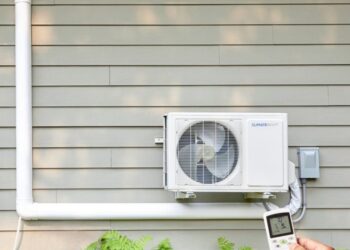
Exploring the process of Troubleshooting a Champion Air Conditioner That Isn’t Cooling, this introduction sets the stage for a detailed examination of common issues and solutions. With a focus on clarity and precision, readers will gain valuable insights into restoring their air conditioner's cooling efficiency.
Providing practical tips and step-by-step instructions, this guide aims to empower readers to tackle cooling problems with confidence and expertise.
Troubleshooting Steps

When your Champion air conditioner is not cooling properly, it can be frustrating. However, by following some systematic troubleshooting steps, you can identify the issue and potentially resolve it without the need for professional help.
Common Reasons for Inadequate Cooling
- Dirty or clogged air filters restricting airflow.
- Thermostat set incorrectly or malfunctioning.
- Low refrigerant levels causing inefficient cooling.
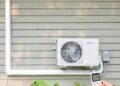
- Blocked condenser unit hindering heat dissipation.
Systematic Troubleshooting Approach
Start by checking the air filters, as they are often the culprit behind poor cooling performance. Clean or replace them if necessary to ensure proper airflow. Next, verify the thermostat settings to ensure they are appropriate for your comfort needs.
If the thermostat is malfunctioning, consider replacing it.
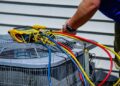
Inspect the refrigerant levels by hiring a professional technician, as handling refrigerant can be dangerous. Low levels can indicate a leak in the system, which needs to be fixed promptly to restore cooling efficiency. Additionally, check the condenser unit outside your home for any obstructions that may be blocking airflow.
By systematically examining these components, you can pinpoint the issue causing your Champion air conditioner to not cool effectively and take appropriate action to address it.
Checking Air Filters
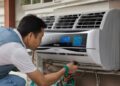
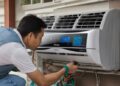
Air filters play a crucial role in the cooling process of a Champion air conditioner. They help in trapping dust, debris, and other particles from the air, ensuring that only clean and cool air is circulated throughout the room.To locate and inspect the air filters in your Champion air conditioner, you will typically need to remove the front panel of the unit.
The air filters are usually located behind this panel, either at the front or on the sides of the unit. Once you have accessed the filters, visually inspect them for any signs of dirt, dust, or clogging.
Impact of Clogged Filters
- Clogged or dirty air filters can significantly impact the cooling efficiency of your air conditioner. When the filters are blocked, they obstruct the airflow, making it harder for the unit to cool the air effectively.
- Restricted airflow due to dirty filters can also cause the air conditioner to work harder than necessary, leading to increased energy consumption and higher utility bills.
- In addition, clogged filters can result in poor indoor air quality as they are unable to effectively filter out allergens and pollutants from the air.
Inspecting Thermostat Settings
When troubleshooting a Champion air conditioner that isn't cooling, one crucial aspect to check is the thermostat settings. The correct thermostat settings are essential for ensuring optimal cooling performance and energy efficiency.
Recommended Temperature Settings
- In hot climates or summer seasons, it is recommended to set the thermostat between 75-78 degrees Fahrenheit for cooling.
- For cooler climates or winter seasons, adjusting the thermostat to around 68 degrees Fahrenheit for heating can provide comfort without excessive energy usage.
Calibrating or Adjusting the Thermostat
To calibrate or adjust the thermostat, follow these steps:
- Remove the thermostat cover to access the calibration dial or buttons.
- Use a small screwdriver to adjust the calibration dial to the desired temperature setting.
- Check the accuracy of the thermostat by using a separate thermometer placed nearby to compare temperatures.
- If the thermostat is not functioning correctly, consider replacing it with a new one to ensure accurate temperature control.
Assessing Refrigerant Levels
When it comes to troubleshooting an air conditioner that isn't cooling properly, assessing the refrigerant levels is crucial. Refrigerant plays a vital role in the cooling process of an air conditioner, as it absorbs heat from the indoor air and releases it outside.
Checking Refrigerant Levels
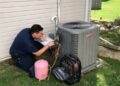
To check the refrigerant levels in a Champion air conditioner, you will need to call a qualified HVAC technician. Refrigerant levels should only be checked and adjusted by professionals, as it involves handling potentially hazardous substances.
Signs of Low Refrigerant Levels
- Warm air blowing from the vents
- Increased humidity levels indoors
- Frost or ice buildup on the evaporator coil
Low refrigerant levels can lead to reduced cooling efficiency, increased energy consumption, and potential damage to the compressor.
Last Word
In conclusion, troubleshooting a Champion air conditioner that isn't cooling requires a systematic approach and attention to detail. By following the Artikeld steps and recommendations, you can effectively diagnose and resolve issues to ensure your cooling system operates at peak performance.
General Inquiries
Why is my Champion air conditioner not cooling properly?
There could be various reasons such as dirty filters, incorrect thermostat settings, or low refrigerant levels.
How often should air filters be checked in a Champion air conditioner?
It is recommended to check and replace air filters every 1-3 months for optimal performance.
What are the signs of low refrigerant levels in an air conditioner?
Signs include warm air blowing from the vents, ice build-up on the coils, and increased electricity bills.